Introduction

Since 1945, the United Nations has been at the forefront of promoting and protecting human rights globally. The aftermath of World War II prompted the member states of the UN to ensure such atrocities would never recur, leading to the proclamation of the Universal Declaration of Human Rights in 1948. This historic document declared that respect for human rights and human dignity 'is the foundation of freedom, justice and peace in the world.'
The Development of Human Rights Instruments and Mechanisms
Over the years, a robust network of human rights instruments and mechanisms has been established. The commitments to human rights outlined in the Universal Declaration have been translated into legal obligations—treaties and conventions—for states that have ratified them. In some instances, these mechanisms ensure that individuals have the right to seek reparation for violations of their rights directly.
Focus on Gender-Specific Concerns
However, concerns specific to gender and the fundamental violations of women's rights often remained overlooked or marginalized within the human rights framework. Activists for women's rights effectively argued this case, leading to the World Conference on Human Rights in Vienna in 1993, which explicitly recognized a range of gender-specific human rights violations, including violence against women, entrusting states with the duty to protect and promote women's rights as human rights.
Regional Developments in Women's Fundamental Rights
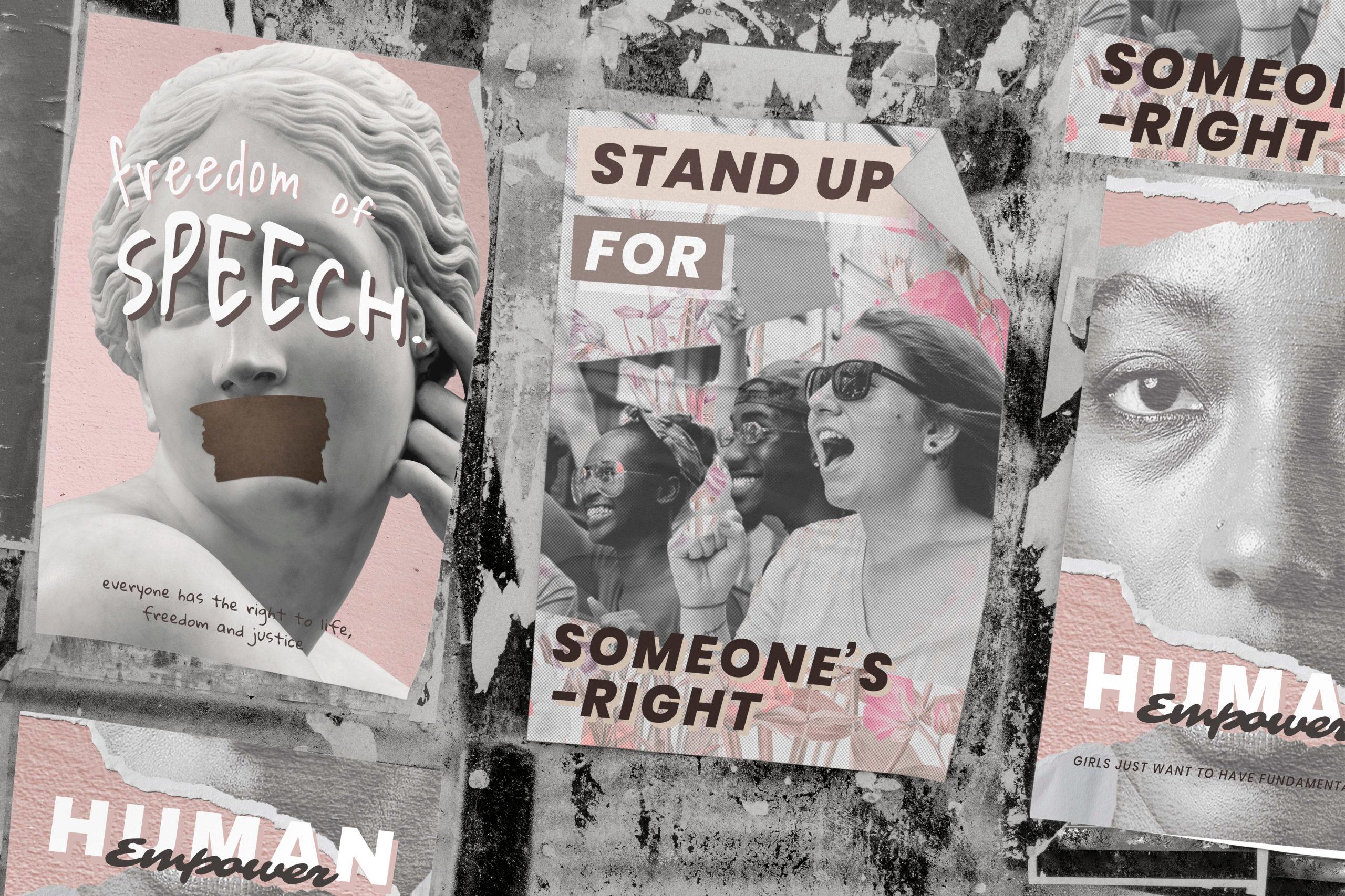
Continents such as Africa, America, and Europe are currently advancing regional instruments and mechanisms for the application of women's fundamental rights. The interface 'Women Watch - The UN Working for women' on the internet offers a valuable tool for locating gender-specific sites on the UN website.
The United Nations System in the Field of Human Rights
UN Declarations, Treaties and Other Human Rights Mechanisms
The array of international instruments range from the foundational Universal Declaration of Human Rights to the Convention on the Elimination of All Forms of Discrimination against Women (CEDAW), and the International Covenants on Economic, Social and Cultural Rights as well as Civil and Political Rights.
Monitoring Treaty Compliance
Various committees within the UN system, such as the Committee for the Elimination of Discrimination against Women (CEDAW) and the Committee on Economic, Social and Cultural Rights (CESCR), engage in constructive dialogue with ratifying states to monitor and review their performance in upholding the treaties.
Additional Resources
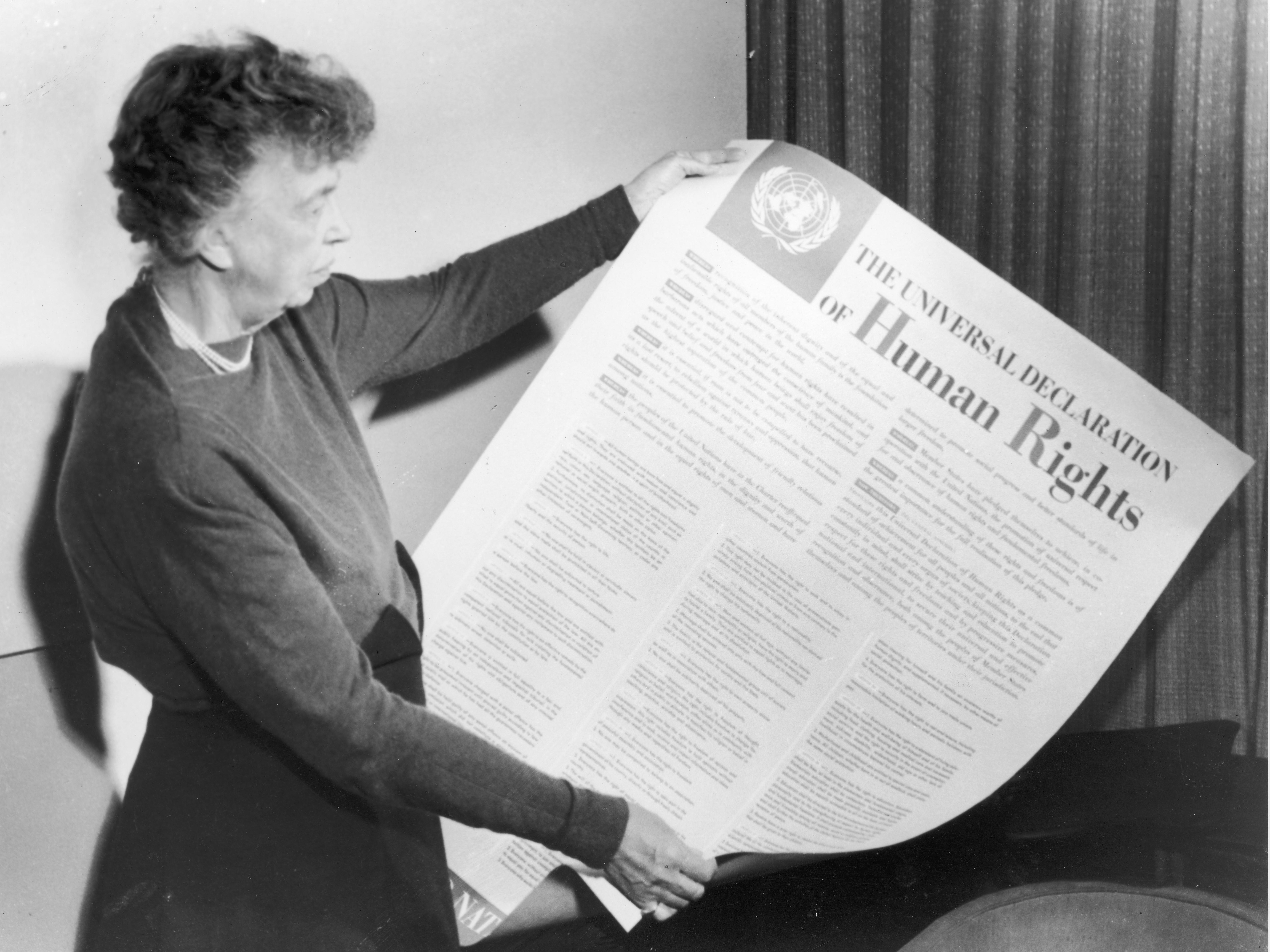
A vast reservoir of additional resources, from the recommendations of CEDAW to special UN guides on thematic human rights issues, are available to guide and assist stakeholders in better understanding and implementing human rights protections.
UN Agencies and Global Conferences
Several UN agencies play a significant role in the advancement of women's rights and support for gender equality in diverse fields like labor, health, and education. Notable global conferences on human rights, development, and social issues have also bolstered the legal framework for defending women's rights.
Regional Human Rights Systems
African, Inter-American, and European Human Rights Systems
The African Charter on Human and Peoples' Rights, the Inter-American Commission on Human Rights, and the European Convention on Human Rights each exemplify regional commitments to uphold human rights. These systems have contributed significantly to promoting gender equality and responding to violations of women's fundamental rights.
Travel and Human Rights: An Intersection
As an interconnected world brings people closer, the universal values of human rights become increasingly relevant across borders. Travel enables us to witness firsthand the diversity of human experiences and the common aspirations for dignity and rights. In turn, the hospitality industry, including hotels, can play a pivotal role in upholding these values, providing safe and welcoming environments for individuals from all genders and backgrounds to interact, share ideas, and learn from one philosophy that champions the universal respect for human rights.
Athens
- Zen Hotel
- Grand Hyatt Athens
- Melia Athens
- Hilton Athens
- Wyndham Grand Athens
- Marriott Athens
- Njv Athens Plaza
- Dolli Hotel Athens
- Athens Gate Hotel
- Novotel Athens
- Plaka Hotel Athens
- The Margi Athens
- Herodion Hotel
- Niche Hotel Athens
- King George Hotel
- Ava Hotel Athens
- The Stanley Athens
- Holiday Inn Athens Airport
- Athens Hawks Hostel
- Titania Hotel Athens
- Polis Grand Hotel
- Intercontinental Athens
- Electra Metropolis Athens
- Astor Hotel Athens
- Royal Olympic Hotel Athens
- Athens Holidays
- Cheap Hotels In Athens
- Athens Resorts
- Hostel Athens Greece