General Overview
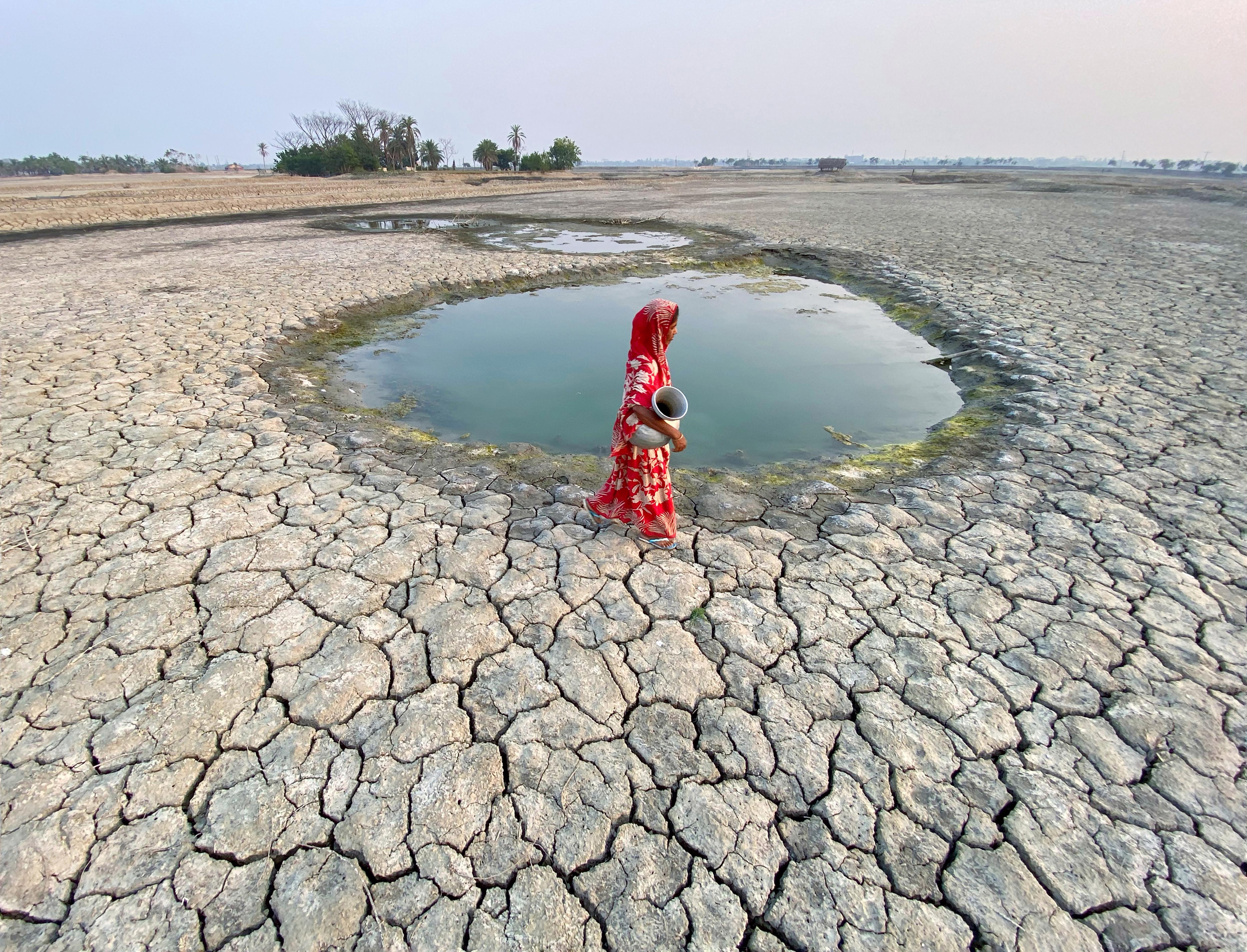
Global ecosystem degradation, overconsumption of water, pollution of aquifers, and the impact of extreme poverty exacerbated by privatization are contributing factors to an environmental catastrophe. Water, as a fundamental and inalienable human right, should be considered a common heritage and not a commodity for profit. Women, who constitute over half of the 1.2 billion people without access to clean water, experience the brunt of this crisis profoundly.
Human Rights Mechanisms
The Universal Declaration of Human Rights did not initially include water as an explicit right, but the General Comment on the right to water by the Committee on Economic, Social and Cultural Rights recognized its essential status. Numerous international treaties and forums emphasize the vital role of women in water management and the importance of gender-sensitive policies in water access.
Facts and Figures

More than 2 billion people worldwide lack adequate sanitation, and 1.1 billion lack access to clean drinking water. Each day, diseases linked to these deficiencies claim the lives of thousands, with a particularly devastating impact on children. Distance and the physical burden of water collection disproportionately fall on the shoulders of women and girls in many regions.
Additional Data
Environmental deterioration detrimentally affects women's quality of life, including their ability to participate in education and income-generating activities. The inequitable access to water resources perpetuates poverty and inhibits socio-economic development, emphasizing the urgency for equitable water access as a pressing human right.
Additional Resources

Organizations like the Gender and Water Alliance and international assessment reports are crucial for understanding water issues from a gender perspective. These resources advocate for the inclusion and recognition of women's roles in water management and strive for systemic changes to ensure equitable access to water resources.
Travel & Accommodation Considerations
For travelers interested in witnessing firsthand the impact of water privatization on local communities, it is essential to stay in accommodations that align with sustainable and ethical standards. This intersection of travel and global water issues underscores the need for responsible tourism practices that support environmental conservation and community well-being.
Athens
- Zen Hotel
- Grand Hyatt Athens
- Melia Athens
- Hilton Athens
- Wyndham Grand Athens
- Marriott Athens
- Njv Athens Plaza
- Dolli Hotel Athens
- Athens Gate Hotel
- Novotel Athens
- Plaka Hotel Athens
- The Margi Athens
- Herodion Hotel
- Niche Hotel Athens
- King George Hotel
- Ava Hotel Athens
- The Stanley Athens
- Holiday Inn Athens Airport
- Athens Hawks Hostel
- Titania Hotel Athens
- Polis Grand Hotel
- Intercontinental Athens
- Electra Metropolis Athens
- Astor Hotel Athens
- Royal Olympic Hotel Athens
- Athens Holidays
- Cheap Hotels In Athens
- Athens Resorts