
Violence against women remains one of the most pervasive and yet often silent forms of human rights violations worldwide. It is a profound health problem, reflecting deep-seated gender inequalities and discrimination. As communities and governments continue to combat this egregious issue, it's necessary to assess both the promising practices and the existing implementation challenges to pave the way towards a safer world for women.
Promising Practices in Addressing Gender-Based Violence
The fight against gender-based violence has seen numerous innovative approaches in prevention and intervention. Education programs aimed at altering harmful gender stereotypes, improving legal frameworks to protect survivors, and increasing support services for those affected are notable examples.
Legal Reforms and Victim Support
Legal reforms have been critical in redefining the landscape of rights for women. Strengthening legislation to criminalize violence against women, alongside creating specialized units in law enforcement to address such cases sensitively and efficiently, have shown potential in reducing the incidence of gender-based violence.
Educational Programs
Educational programs play a pivotal role in altering deep-seated societal norms. By targeting young individuals, these programs can mold perceptions and attitudes towards gender equality, critical in the long-term eradication of violence against women. Holistic education programs that include both genders can lead to more widespread cultural shifts.
Challenges in the Application of Anti-Violence Measures
Despite promising developments, the road ahead remains fraught with obstacles. Resistance to change, lack of resources, and insufficient training among law enforcement and judiciary officials are substantial barriers. Additionally, societal stigma and fear of retribution often discourage survivors from seeking help or legal recourse.
Inadequate Enforcement and Resource Allocation
A significant discrepancy exists between legislation and its enforcement. Adequate resources, including funding for women's shelters and support programs, are crucial, yet often lacking. Without proper enforcement mechanisms in place, even the most well-crafted laws are rendered ineffective.
Societal Barriers and Stigma

The silence surrounding violence against women is often reinforced by cultural norms and stigma. Breaking this silence requires collective societal efforts—an increase in awareness-raising campaigns, and support services that address not just the immediate needs of survivors, but also work on rehabilitating perpetrators.
Conclusion and Recommendations
Efforts to end violence against women have shown promise, but require continued commitment and support. Better resource allocation, education, and societal paradigm shifts are instrumental in creating sustainable change. It is imperative to support legislation with effective implementation and to foster a culture where gender-based violence is denounced, and survivors are fully supported without stigma or prejudice.
Building a Comprehensive Response
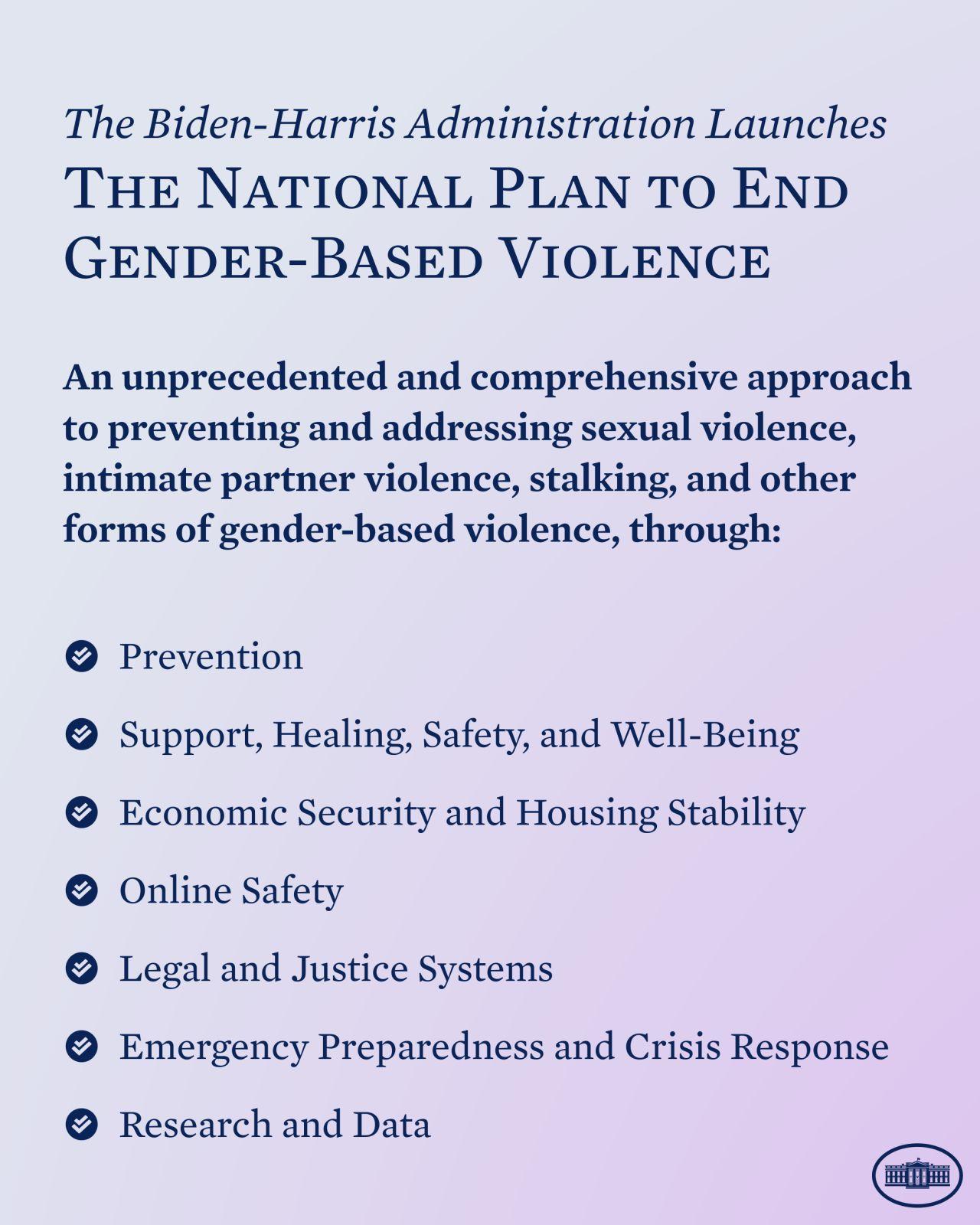
Addressing gender-based violence needs a comprehensive response: robust legal frameworks, law enforcement training, nationwide education, and societal dialogues that address toxic gender norms. It is essential for individuals, communities, and governments to work collaboratively, ensuring that these efforts are synergistic and create substantive changes in the lives of women around the world.
In the realm of travel, it's important to note that the hospitality industry can play a significant role in this fight by promoting safe and equal environments. Travel has the power to instill empowering experiences, and hotels can contribute by fostering inclusive atmospheres that protect and respect the rights of women, both as guests and employees. As we travel and engage with different cultures, we carry with us the message that violence against women is unacceptable, helping to advocate for change and support systems that contribute to the well-being of women globally.
Athens
- Grand Hyatt Athens
- Melia Athens
- Hilton Athens
- Wyndham Grand Athens
- Marriott Athens
- Dolli Hotel Athens
- Plaka Hotel Athens
- Niche Hotel Athens
- Herodion Hotel
- Stanley Hotel Athens
- King George Hotel Athens
- Perianth Hotel
- Hotel Adonis Athens
- Njv Athens Plaza Hotel
- The Margi
- Dave Red Athens
- Amalia Hotel Athens
- Arion Athens Hotel
- The Pinnacle Athens
- A Little Taste Of Home Athens
- Athens Holidays
- Cheap Breaks To Athens
- Hotels Close To Athens Greece Airport