Understanding Violence Against Women as a Human Rights Violation

The recognition of violence against women as a violation of human rights is a struggle that transcends borders, cultures, and socioeconomic backgrounds. Activists, organizations, and thoughtful leaders have tirelessly worked to bring urgent attention to this pervasive issue that affects millions of women worldwide, every day.
The Scale of the Issue
Gender-based violence is not a new phenomenon, yet it remains one of the most heinous, systematic, and prevalent human rights abuses in the world. From domestic abuse to sexual assault, violence against women continues to be alarmingly widespread, with the World Health Organization estimating that about 1 in 3 women globally have experienced physical or sexual intimate partner violence or non-partner sexual violence in their lifetime.
Making Violence Against Women a Global Priority
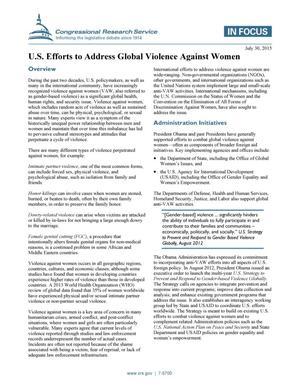
Achieving international consensus that violence against women is a fundamental human rights violation has been an uphill battle. This global issue requires not only legal intervention but also a shift in cultural, social, and political attitudes. Recognizing it as a human rights concern is the first step towards enacting change that can protect and empower women everywhere.
The Role of Global Frameworks and Activism
The international community has made some strides in addressing violence against women through frameworks like the Convention on the Elimination of All Forms of Discrimination against Women (CEDAW), and the declaration of the UN's International Day for the Elimination of Violence against Women. Yet, the implementation of these frameworks is uneven and insufficient in many contexts, necessitating ongoing activism and advocacy.
Championing Women's Rights Through Education and Advocacy

Building awareness is at the core of the struggle. Advocates for women's rights tirelessly work to educate the public and policy-makers about the significance of violence against women, promoting not only protective measures but also empowerment through education, economic independence, and political participation.
The Interplay of Travel and Awareness
The travel industry has a unique opportunity to influence this narrative positively. With millions traversing the globe for business and leisure, hotels and other travel accommodations have become pivotal points for advocacy and raising awareness. Campaigners are urging the hospitality sector to adopt ethical practices, provide information to travelers, and take a stand against gender-based violence by offering safe spaces and supporting local and global women's rights initiatives.
Travel as a Platform for Promoting Women's Rights
Hotels and travel companies are increasingly recognizing their responsibility towards the societies they operate in and are contributing to the fight against gender-based violence. From training staff to recognize and respond to signs of abuse, to partnering with local NGOs that support women's rights, the travel sector is becoming an ally in this global human rights issue.
As we strive to bring an end to violence against women, the connection between the travel industry and human rights advocacy illustrates that every sector has a role to play in creating a safer, more equitable world for women. The journey towards a more just and peaceful society continues, and it becomes clear that the paths we travel—both literal and metaphorical—are intertwined with the progress we make in upholding human rights for all.
Athens
- Grand Hyatt Athens
- Melia Athens
- Hilton Athens
- Wyndham Grand Athens
- Marriott Athens
- Dolli Hotel Athens
- Herodion Hotel
- Stanley Hotel Athens
- King George Hotel Athens
- Njv Athens Plaza Hotel
- The Margi Hotel Athens
- Hotel Grande Bretagne Athens
- Foundry Suites Athens
- Royal Olympic Hotel Athens
- Perianth Hotel Athens
- Bedbox Hostel Athens
- A For Athens
- Amazon Hotel
- Athenaeum Smart Hotel
- Astor Hotel
- Athens Holidays
- Cheap Hotels In Athens Greece