The Growing Challenge of Displacement
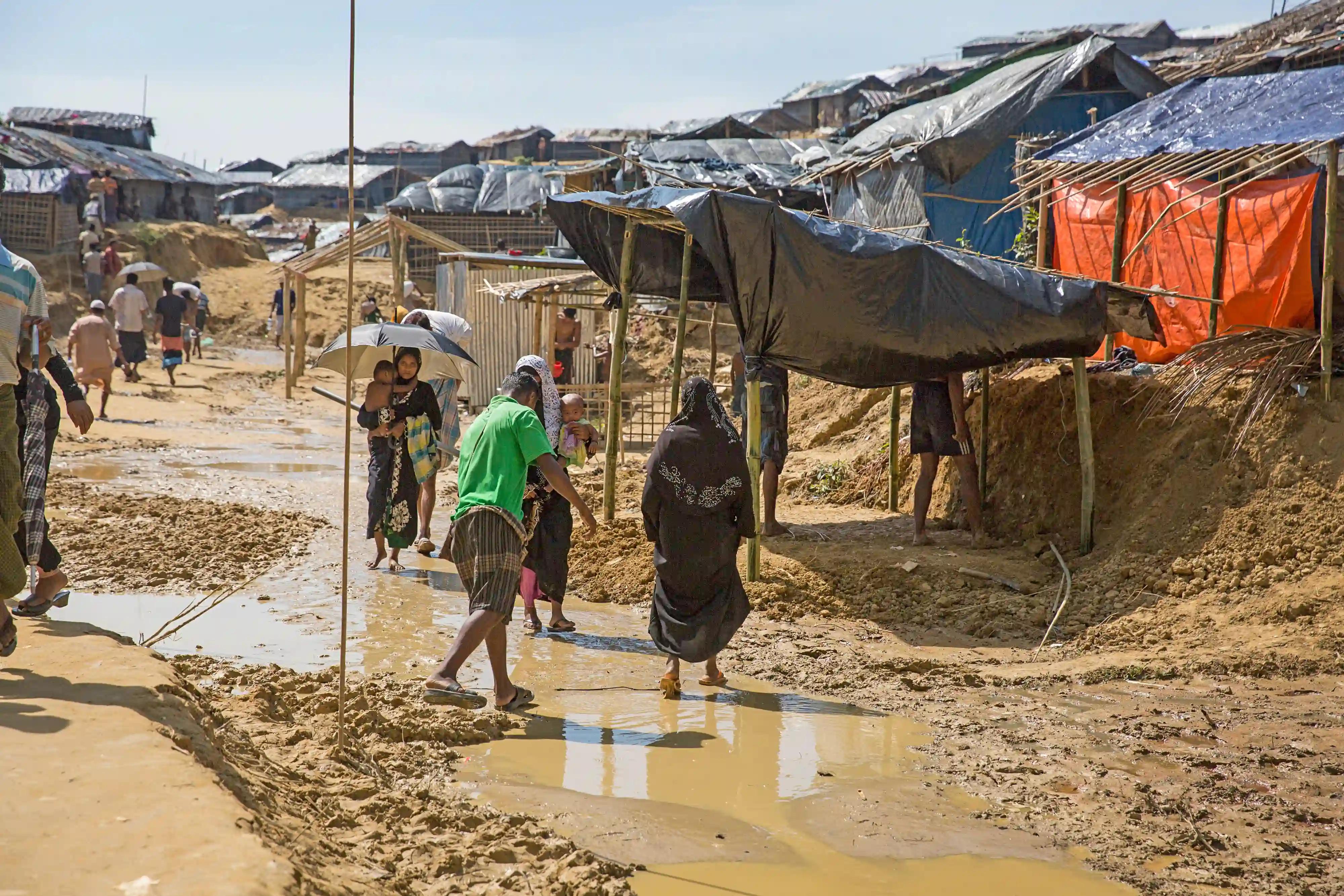
As geopolitical tensions rise and natural disasters become more frequent due to climate change, the number of refugees and internally displaced persons (IDPs) continues to grow globally. This displacement creates a myriad of challenges, not only for the individuals and families affected but also for the host countries and international aid organizations.
Understanding the Plight of Refugees and IDPs
Refugees are individuals who flee their country due to persecution, war, or violence, whereas IDPs remain within their home country but cannot return to their place of residence. Both groups often face uncertain futures, struggling to secure basic needs such as shelter, food, and healthcare.
International Response and Support Measures
Governments, NGOs, and international bodies such as the United Nations work together to address the humanitarian aspects of displacement. Efforts include setting up refugee camps, providing asylum options, and supporting integration into host communities. Aid programs are essential for survival, yet they are often underfunded and overwhelmed by the scale of the crisis.
Challenges within Refugee Camps
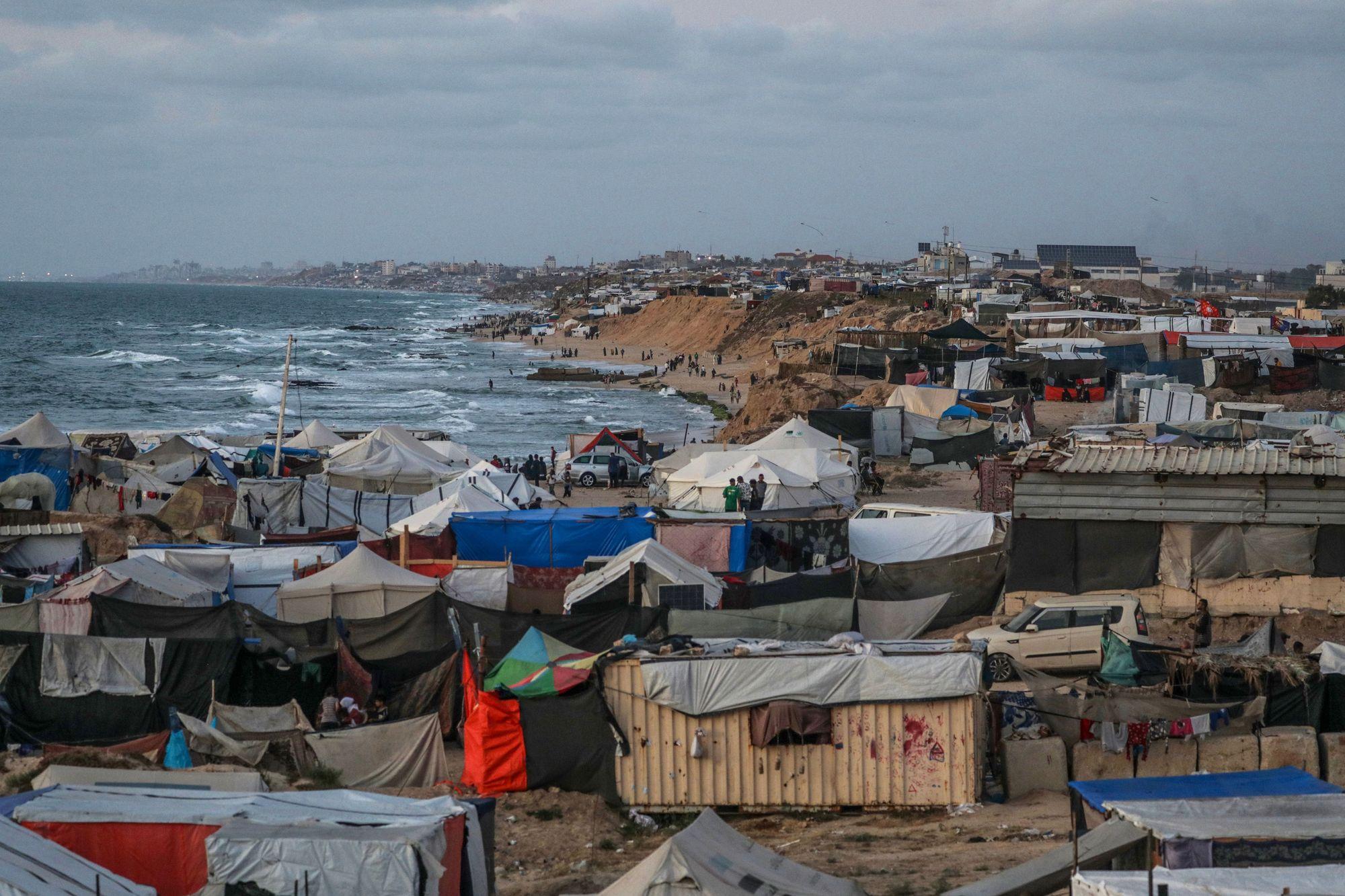
Refugee camps, while providing immediate safety, face issues such as overcrowding, inadequate facilities, and limited access to education and employment opportunities. These factors hinder the ability of refugees and IDPs to live with dignity and build a foundation for their futures.
Fostering Integration in Host Communities
Successful integration of refugees and IDPs into local communities requires collaborative approaches, including language and vocational training. Cultivating a welcoming environment is key to empowering these individuals to contribute positively to the society that has become their new home.
Global Collaboration and Policy Recommendations
Addressing the refugee and IDP crisis demands a concerted global effort. Policy recommendations revolve around enhancing legal pathways for migration, distributing aid more equitably, and holding perpetrators of violence accountable to prevent further displacement.
The Economic Impact of Displacement on Host Countries

Host countries often bear significant economic burdens, facing increased pressure on public services, resources, and infrastructure. However, with the appropriate policies and support, refugees and IDPs can contribute to the economy, bringing in new skills and cultural diversity.
The Role of the Travel and Hospitality Industry
The travel and hospitality industry can play a vital role in supporting refugees and IDPs. Hotels and other travel-related businesses may offer employment opportunities, training, and thus, help in the integration of displaced individuals. As socially responsible entities, they can create programs to aid those in need, simultaneously fostering diversity and enriching the cultural tapestry of their establishments.
In the journey of life, some are forced to travel far from home, not for leisure but for survival. The travel and hospitality industry, through its expansive reach and capacity for human connection, has the unique opportunity to extend a hand to those seeking refuge. As they strive to offer the warm embrace of hospitality to weary travelers, they can also open doors for those who have left theirs behind, offering not just a temporary stay but a chance for a new beginning.
Athens
- Zen Hotel
- Grand Hyatt Athens
- Melia Athens
- Hilton Athens
- Wyndham Grand Athens
- Marriott Athens
- Njv Athens Plaza
- Dolli Hotel Athens
- Athens Gate Hotel
- Novotel Athens
- Plaka Hotel Athens
- The Margi Athens
- Herodion Hotel
- Niche Hotel Athens
- King George Hotel
- Ava Hotel Athens
- The Stanley Athens
- Holiday Inn Athens Airport
- Athens Hawks Hostel
- Titania Hotel Athens
- Polis Grand Hotel
- Intercontinental Athens
- Electra Metropolis Athens
- Candia Hotel Athens
- Astor Hotel
- Athens Holidays
- Cheap Holidays To Athens
- Best Beach Resorts Near Athens
- Athens Boutique Hotels
- Hostels In Plaka